
Revitalize Your Play Therapy Room with Practical Tips for a Calming Space

Creating a play therapy room that feels welcoming, calming, and well-organized can make a big difference in how children engage during sessions. A thoughtfully designed space supports emotional safety, encourages creativity, and helps therapists work more efficiently. If your play therapy room feels cluttered, outdated, or uninspiring, refreshing it with practical changes can renew its energy and improve the therapeutic experience for everyone involved.
This post offers clear, actionable tips for play therapists and professionals working with children. You will find ideas for color schemes, organizing toys, adding sensory elements, setting up play zones, and keeping the space clean and inviting. These suggestions aim to help you build a space that supports healing and growth in a calm, organized environment.
Choose Color Schemes and Decor That Promote Calmness
Colors influence mood and behavior, especially in children. For a play therapy room, select colors that create a soothing atmosphere and reduce anxiety.
Soft blues, purples, and greens are known to have calming effects. These colors remind children of nature and can help lower stress.
Avoid bright, intense colors like neon shades or bold reds, which may increase agitation or distract from therapy.
Incorporate artwork that is fun and child-friendly to create an engaging atmosphere. Here are some ideas:
Types of Child-Friendly Artwork
Colorful Murals: Bright and vibrant wall murals featuring animals, nature, or fantasy themes.
Playful Illustrations: Whimsical illustrations of characters or scenes that spark imagination.
Interactive Art: Art pieces that children can touch or manipulate, such as textured wall hangings.
Nature-Inspired Art: Artwork that incorporates elements from nature, like trees, flowers, and animals.
Ways to Display Artwork
Gallery Wall: Create a gallery wall with a mix of framed artworks at child-friendly heights.
Art Banners: Hang colorful banners or garlands made from artwork or craft projects.
Rotating Exhibits: Set up a rotating display where children's own art can be showcased regularly.
Art Collages: Combine various pieces of art into a large collage that tells a story.
By incorporating these elements, you can create a space that is not only visually appealing but also inspires creativity and joy in children.
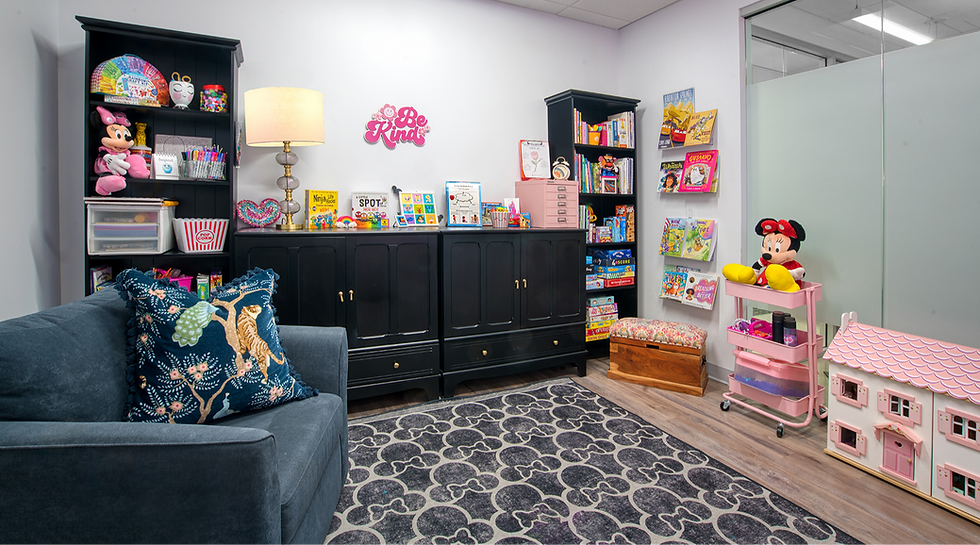
Organize Toys and Materials for Easy Access
A cluttered room can distract children and make therapy sessions less effective. Organizing toys and materials so they are easy to find and put away supports smoother sessions.
Use clear bins or labeled containers to separate toys by type or theme (e.g., art supplies, dolls, building blocks).
Place frequently used items within child’s reach to encourage independence.
Store smaller items in stackable drawers or baskets to save space.
Rotate toys regularly to keep the room fresh and prevent overwhelm.
Create a checklist or inventory to track what you have and what needs replenishing.
Use shelves with open fronts so children and therapists can quickly see and grab what they need.
This system reduces time spent searching for materials and helps children focus on play and expression.
Incorporate Sensory Elements to Enhance Play Experiences
Sensory play supports emotional regulation and development. Adding sensory elements to your therapy room enriches the experience and meets diverse needs.
Include a sensory bin filled with rice, beans, or sand for tactile exploration.
Provide weighted blankets or lap pads for calming deep pressure input.
Use soft lighting such as salt lamps or string lights to create a cozy atmosphere.
Add fidget toys or stress balls to help children manage anxiety.
Consider a small water table or bubble tube for visual and auditory sensory input.
Use aromatherapy diffusers with calming scents like lavender or chamomile, but check for allergies first.
Sensory tools help children stay grounded and engaged, making therapy more effective.
Create Designated Areas for Different Types of Play
Dividing the room into zones supports different kinds of play and helps children transition smoothly between activities.
Set up a quiet corner with soft cushions and books for calming or reflective play.
Designate an art area with a small table, paper, crayons, and paints.
Create a dramatic play zone with dress-up clothes, puppets, and props.
Include a building and construction space with blocks, puzzles, and manipulatives.
Use rugs or floor mats to visually separate areas without crowding the room.
Clearly mark zones with signs or color-coded bins to help children understand the space.
Having clear areas helps children know what to expect and supports different therapeutic goals.

Tips for Maintaining a Clean and Inviting Space
A clean, well-maintained room feels welcoming and supports health and safety.
Develop a daily cleanup routine with children to encourage responsibility.
Use non-toxic, child-safe cleaning products for surfaces and toys.
Regularly sanitize sensory items and frequently touched surfaces.
Keep a laundry basket for soft toys and blankets that need washing.
Declutter monthly to remove broken or unused items.
Maintain good ventilation and natural light to keep the room fresh.
A tidy space shows children that their environment is cared for, which builds trust and comfort.


Comments